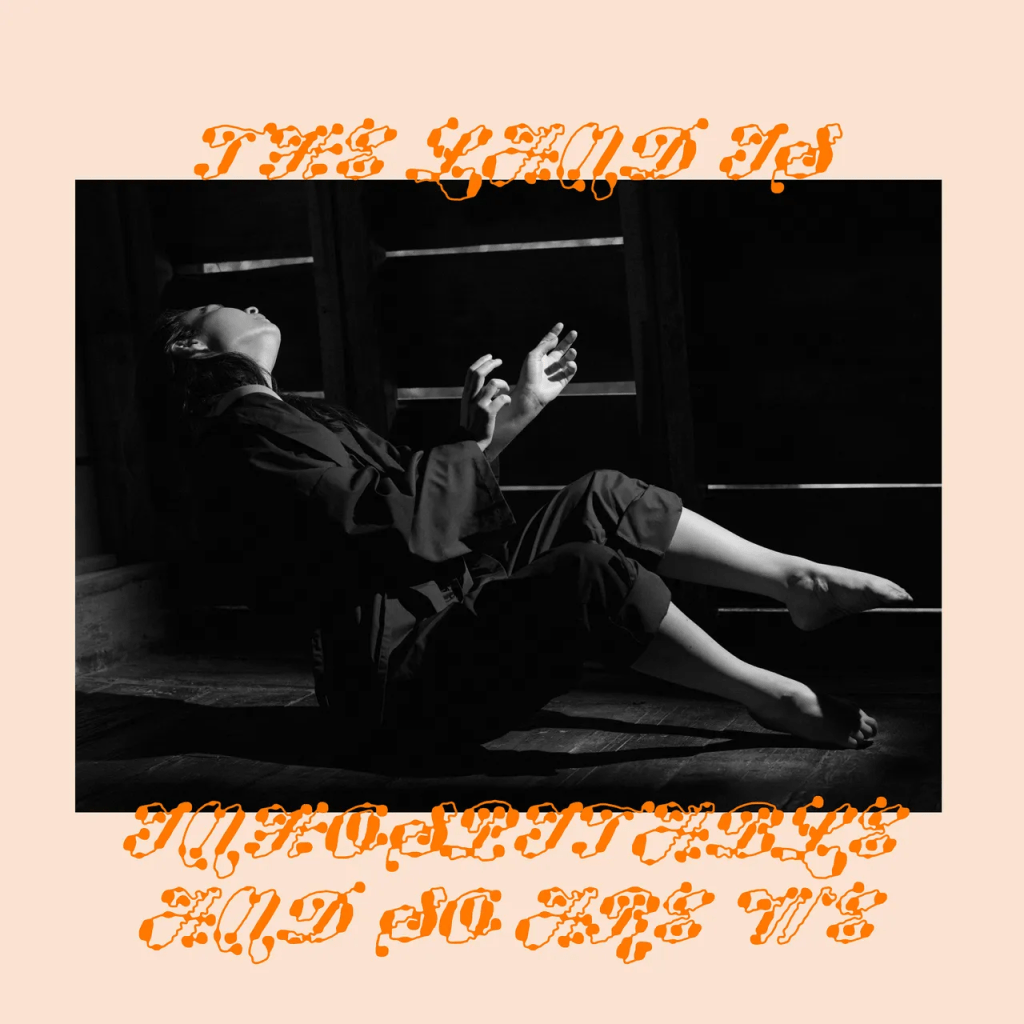
I approached this one cautiously. Mitski’s previous album, Laurel Hell, was a bummer, unpleasant synthy eighties pop that managed to be depressingly peppy, like a hungover cheerleader. There were reports that she was playing out the string, delivering one last album before disappearing for good. A generational talent burned out, the flame perhaps sparked by a notoriously obsessive and off-putting fan base.
The first two songs off this welcome new release were cause for immediate excitement. ‘Bug Like An Angel’ is a beautiful, wounded vignette of alcoholism punctuated with unexpected choral bursts. It sounds like something The New Pornographers might have done in one of their softer moments, which is fitting: Mitski is on a very short list of singers who can go toe to toe with Neko Case in a best American voice contest.
‘Buffalo Replaced’ is even more gorgeous, a paradigmatic Mitski song, quietly relentless, a simple key change and distant crash cymbal, a beat later than expected, packing an outsized emotional wallop.
I then waited for the release provided by some of her earlier songs like the jaunty and sardonic ‘Me and My Husband’ or the driving, almost Devo-like ‘Washing Machine Heart.’ It was probably too much to hope for a reprise of ‘Dan the Dancer’ or ‘Best American Girl.’ And I waited. And waited. Before I knew it this brief, subdued album was over. This is not Be the Cowboy or Puberty 2. But it is quite good nevertheless – on its terms.
Mitski has said this is her most American album. It was recorded in Nashville and Los Angeles and lands geographically somewhere in between on the open expanse of the plains with the foreboding Rockies looming. A few songs sound like campfire folk songs, but then they open up with orchestration, changing from Woodie Guthrie to Aaron Copeland. ‘The Deal’ ends with rumbling drums like approaching thunder. ‘Star’ is celestial, with its organ and a soaring swirl of sound. ‘When Memories Snow’ is an action-packed 1:42, including a more musical theater than church choir and East Los Angeles horns. It sounds like Los Lobos announcing Glinda’s entrance in The Wizard of Oz.
The mournful sound of pedal steel appears throughout, most effectively on ‘Heaven’ and ‘The Frost’: ‘You’re my best friend, now I’ve no one to tell/How I lost my best friend.’ Mitski’s voice reminds me sometimes of Karen Carpenter’s especially in its lower registers. You can’t get much more American than the combination of beauty and tragedy that sound invokes.
Lyrically, naturalistic elements abound. There are fireflies, buffalo, dogs barking, the moon, stars, weather conditions. All of these are spirits taking physical form. The album is explicitly transcendentalist (leading off with ‘Bug Like an Angel’), that American philosophical invention. The spiritual, good and evil, can be found in the flora and the fauna and, as Ralph Waldo Emerson posited, man is a “god in ruins.” The narrator seeing her life in a bug squashed by a glass of whiskey: ‘I try to remember the wrath of the devil/was also given him by God.’
As a philosophy, transcendentalism is not the most comforting. It’s literally spooky. What’s left for a person to hold on to? ‘Nothing in the world belongs to me but my love, mine, all mine.’ This album is a love letter from Mitski and, as you would expect in receiving such a thing from her, it leaves you uncertain as to where you really stand. What a fascinating artist.
Words by Rick Larson
 Picky Bastards